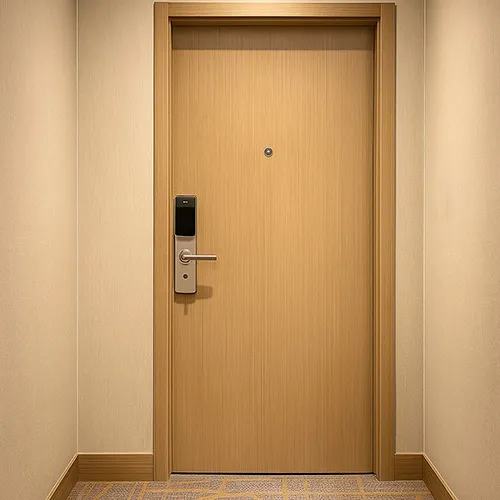
The importance of a Sound-isolation Scoustic Door?
In today’s world, we are constantly surrounded by noise from cars, machinery, and crowds. In crowded cities especially, there is a growing demand for quiet spaces for sleeping, living, working, or studying. Noise control has therefore become essential for both residential and commercial environments. One effective solution to address this issue is the steel acoustic door. These doors not only provide strong security but also significantly reduce sound transmission, ensuring peace and quiet.
What is a Steel Acoustic Door?
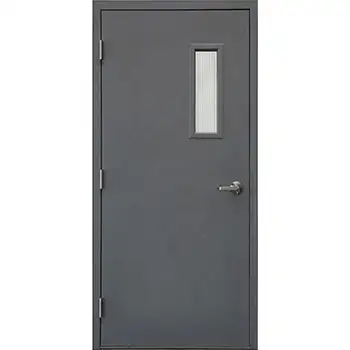
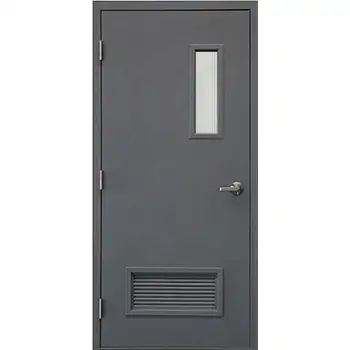
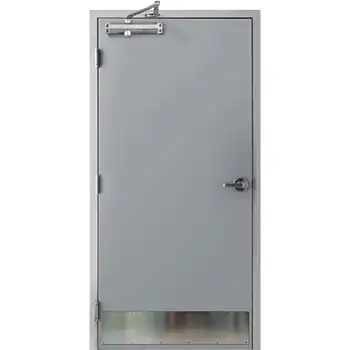
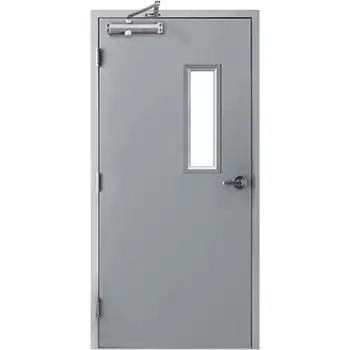
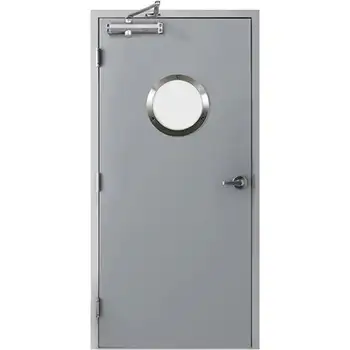
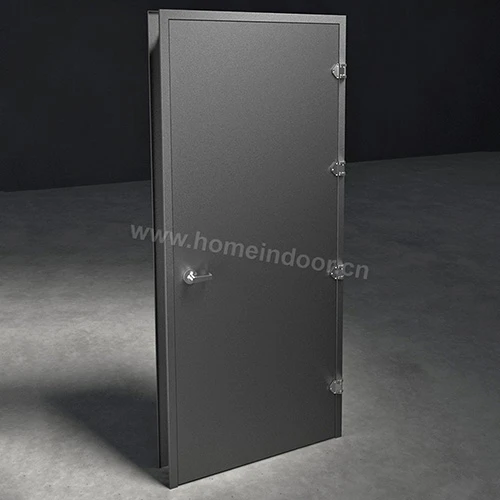
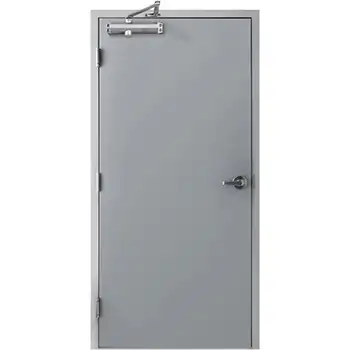
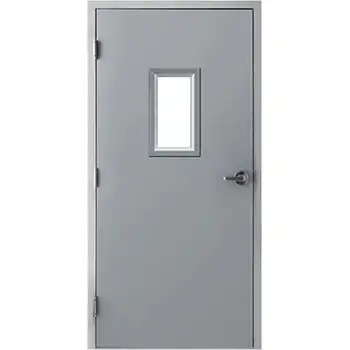
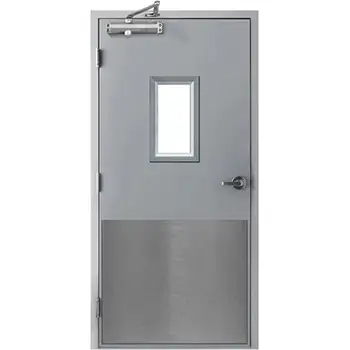
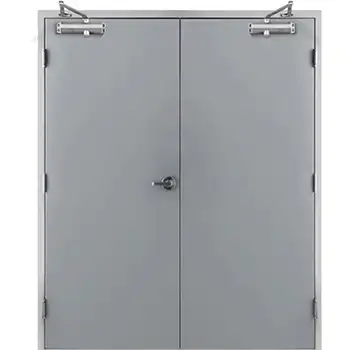
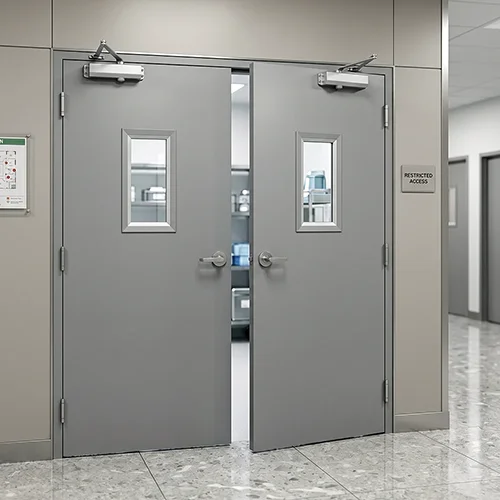
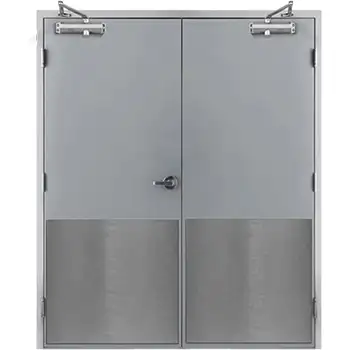
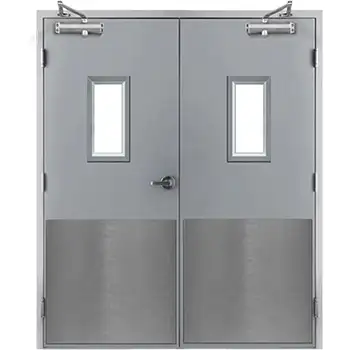
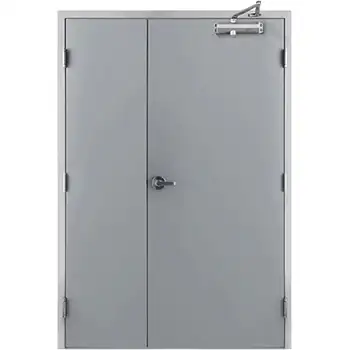
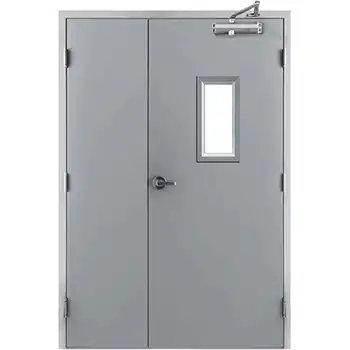
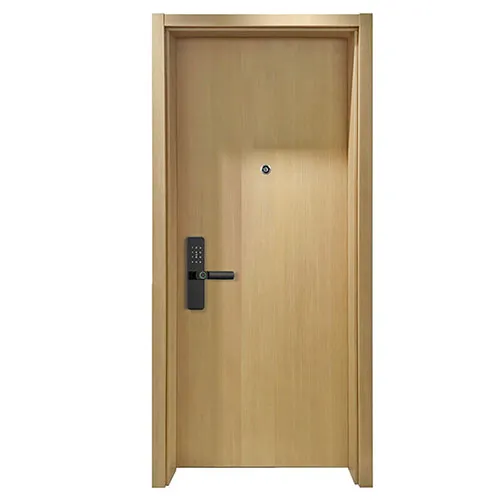
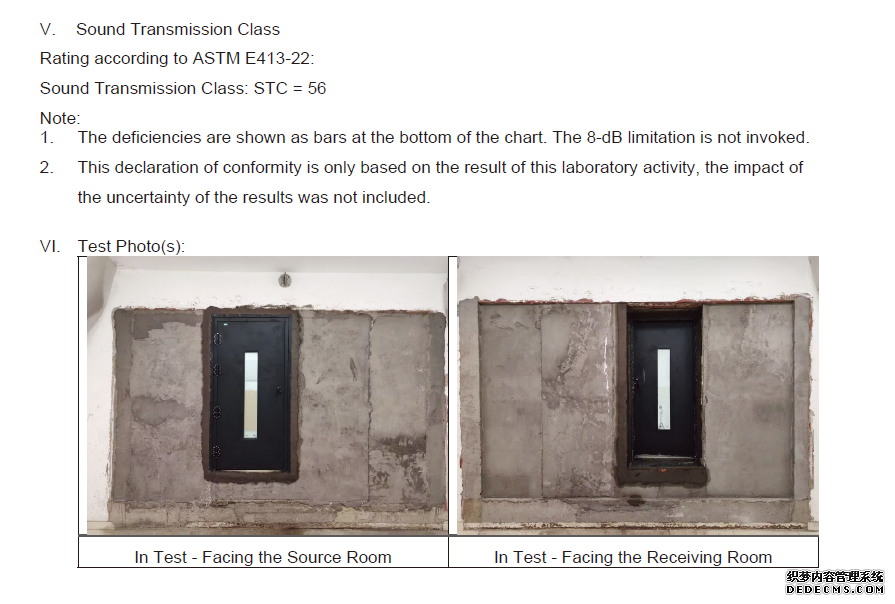
A steel acoustic door (steel soundproof door) is engineered specifically to reduce noise. These doors are made from heavy-duty galvanized steel and filled with acoustic sound-isolation materials, which significantly enhance their soundproofing performance. They feature specially designed seals and frames to minimize sound leakage around the edges, and the locks and hinges are tailored for acoustic efficiency. All these components work together to create a high-performance acoustic steel door with an STC rating of up to 56 dB, making it ideal for environments that require both quiet and security.
Advantages of Steel soundproof door
- Higher Soundproofing Performance: Steel acoustic doors excel at blocking sound. Their effectiveness is measured in decibels (dB), with high-quality models achieving ratings of 56 dB or more, greatly reducing external noise.
- Durability: Steel is exceptionally strong and long-lasting. Doors made from steel can better withstand impacts, wear, and tear compared to wood or fiberglass options.
- Enhanced Security: The solid construction of steel doors provides superior protection against forced entry, making them ideal for commercial buildings, recording studios, and other sensitive environments.
- Customizable Options: Steel acoustic doors can be tailored to specific requirements, including size, thickness, and finish, allowing seamless integration into any architectural style.
- Fire Resistance: Many steel acoustic doors offer fire-rated options, providing up to 2 hours of protection and enhancing occupant safety in case of a fire.
- Cost-Effective: Steel acoustic doors are typically 30–50% less expensive than wood acoustic doors, offering a high-performance, budget-friendly alternative.
Applications of steel acoustic door
Steel acoustic doors are suitable for a variety of settings, including:
- Commercial Offices: To create quiet workspaces and conference rooms.
- Schools and Universities: In classrooms, libraries, and music rooms where noise control is crucial.
- Healthcare Facilities: To ensure patient privacy and reduce noise in treatment areas.
- Recording Studios: Where sound quality is paramount.
- Manufacturing Plant: To minimize the impact of loud machinery on adjacent areas.
- Hotels: In guest rooms to ensure a peaceful stay.
- Theaters and Auditoriums: To manage sound levels and enhance acoustics
Sound-isolation door standard
Sound isolation standards typically refer to metrics that measure a building's ability to block sound transmission between spaces. The most common standard is the Sound Transmission Class (STC) rating, which indicates how well a wall, door, or other partition can reduce airborne sound. Higher STC ratings signify better sound isolation, with values usually ranging from 25 (poor isolation) to 60 (excellent isolation). For specialized applications, like recording studios, a higher STC rating of 45 or more is often desired. Additionally, the Impact Insulation Class (IIC) measures resistance to impact noise, such as footsteps.
Homein STC 56Db steel acoustic door
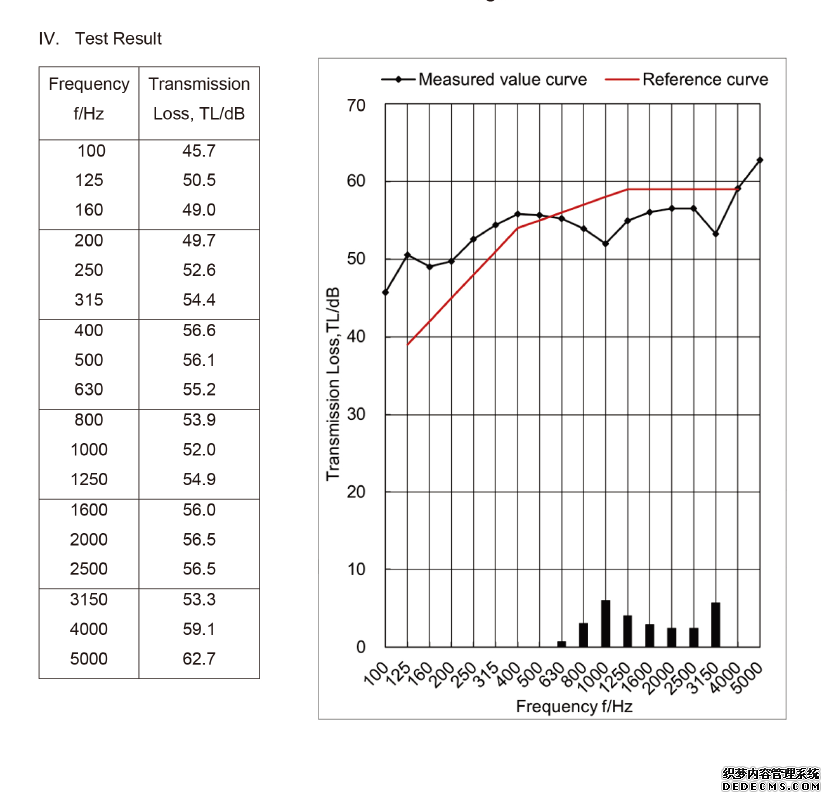
Homein's steel acoustic door has passed the STC56 decibel sound insulation test in SGS laboratory. The door is made of high-quality galvanized sheet and environmentally friendly soundproof core board, as well as multi-layer soundproof glass windows
| requency (Hz) | Transmission Loss (dB) | Remarks |
|---|---|---|
| 100 | 45.7 | Lower TL at low frequency; typical for doors |
| 125 | 50.5 | Improved TL at low-bass range |
| 160 | 49.0 | Slight dip, but still good |
| 200 | 49.7 | Stable response in low-mid range |
| 250 | 52.6 | Strong performance starting here |
| 315 | 54.4 | Increasing TL, effective in mid-range |
| 400 | 55.8 | High TL in speech frequency range |
| 500 | 56.1 | Stable and consistent |
| 630 | 55.2 | Maintains performance |
| 800 | 53.9 | Minor dip, still within high isolation range |
| 1000 | 52.0 | Slight drop, but still good isolation |
| 1250 | 54.9 | Rebounding TL values |
| 1600 | 56.0 | Peak TL, excellent mid-to-high frequency blocking |
| 2000 | 56.5 | Strong performance continues |
| 2500 | 56.5 | Consistent with mid-high isolation pattern |
| 3150 | 53.3 | Slight dip, but minimal effect on STC |
| 4000 | 59.1 | Excellent high-frequency blocking |
| 5000 | 62.7 | Exceptional performance; useful for mechanical noise blocking |
Overall Performance
- Low frequencies (100–250 Hz): TL ranges from 45.7 to 52.6 dB. This is very good for bass and low-frequency sounds, which are typically harder to block.
- Mid frequencies (315–1250 Hz): TL mostly around 54–56 dB. This is excellent for speech and common environmental noise.
- High frequencies (1600–5000 Hz): TL reaches 56–63 dB. This is strong performance for sharp, high-pitched sounds like alarms or glass breaking.
Observation: The material/system has strong, consistent sound isolation across the full spectrum, with slightly better performance at higher frequencies.
Conclusion
Steel acoustic doors provide an effective solution for noise control in today’s increasingly noisy environments. Constructed from heavy-duty galvanized steel and filled with specialized soundproofing materials, these doors combine durability, security, and superior acoustic performance. Advanced seals, frames, and hardware minimize sound leakage, allowing high-quality models, such as Homein’s STC 56 dB steel acoustic door, to achieve excellent sound isolation across low, mid, and high frequencies.
Compared to traditional wood doors, steel acoustic doors offer higher soundproofing efficiency, enhanced security against forced entry, long-lasting durability, fire resistance, and cost-effectiveness. Their design can be customized to fit architectural requirements, ensuring both functionality and aesthetic integration. These doors are ideal for a wide range of settings, including offices, schools, healthcare facilities, recording studios, hotels, and manufacturing plants, providing peace, privacy, and comfort where noise control is essential.
Performance testing demonstrates consistent transmission loss across the frequency spectrum, effectively blocking everything from low-frequency bass and machinery noise to high-pitched alarms and speech. By combining robust construction with advanced acoustic engineering, steel soundproof doors not only create quiet and secure spaces but also improve productivity, safety, and well-being. In modern urban and commercial environments, they represent a practical, long-term investment in both comfort and security.